A home can look unchanged from the outside while holding decades of decisions inside. Family photos, paperwork, furniture, tools, holiday decorations, and everyday items all need attention, often while relatives are balancing grief, deadlines, and different opinions. This estate cleanout planning guide helps families create a clear path forward without treating the process like a race.
The goal is not to empty every room as quickly as possible. It is to protect what matters, make fair decisions, and leave the property clean and ready for its next use. Whether you are preparing a home in Marietta for sale, helping a parent downsize in Woodstock, or managing a property after an estate settlement in North Fulton, a little structure prevents costly mistakes and unnecessary stress.
Start the Estate Cleanout Planning Guide Before You Sort
Before anyone begins opening closets or filling bags, confirm who has authority to make decisions about the property and its contents. An executor, estate administrator, trustee, or family member with permission should set the process and be the point person for questions. This is especially helpful when several relatives are involved.
Walk through the home together and take photos or a short video of each room. This creates a record of what was present before sorting begins and helps people who cannot attend understand the condition of the home. Make notes about rooms that need extra time, such as packed basements, attics, garages, sheds, or storage areas.
It also helps to establish the property deadline early. The timeline may depend on a sale, lease turnover, closing date, renovation schedule, or insurance requirement. A firm deadline does not mean every decision must happen in one weekend. It means you can decide what needs family attention first and what can be handled later by a cleanout crew.
Secure Papers, Valuables, and Personal Records First
The first pass through the house should be about protection, not decluttering. Check predictable places, but do not overlook coat pockets, desk drawers, file boxes, nightstands, books, luggage, safes, and the back of closets. Important documents and valuables are often tucked away rather than displayed.
Create one labeled, secure location for items that need review. That may include wills, deeds, vehicle titles, tax records, bank information, insurance papers, military records, keys, family photographs, jewelry, cash, collectibles, and sentimental letters. Keep this area separate from donation and removal piles.
If you find documents you are unsure about, save them until the executor or an appropriate professional has reviewed them. Throwing away paperwork too early can create problems long after the house is cleared.
A simple checklist is useful for the items most commonly missed during estate cleanouts:
- Mail, legal documents, tax files, and account records
- Keys, garage remotes, spare vehicle keys, and security information
- Jewelry, watches, coins, cash, and small collectibles
- Photo albums, digital storage devices, cameras, and family correspondence
- Prescription glasses, hearing aids, and personal items relatives may want
Sort by Destination, Not by Room
A common mistake is trying to completely finish one room before deciding what happens to anything in it. That can slow the project down and lead to second-guessing. A better approach is to sort items into clear destinations as you go: keep, share with family, sell, donate, recycle, and remove.
Use large labels, boxes, or an open area in the home for each group. Keep the system simple enough that everyone can follow it. If relatives are choosing personal items, set a deadline for selections and ask them to label what they want. Unlabeled belongings should not be assumed claimed.
Sentimental value and financial value are different things. A dining set may mean a great deal to one family member but have limited resale appeal. On the other hand, a small collection, antique, or piece of artwork could deserve professional evaluation. When there is uncertainty, pause before donating or removing it. A few minutes of research or an appraisal can be worthwhile for select items, but trying to price every household object can stall an entire cleanout.
Make Donation and Recycling Part of the Plan
Many estate cleanouts include furniture, kitchenware, clothing, books, linens, and household goods that still have useful life. Separating reusable items early gives them a better chance of being donated instead of discarded. It also makes the final removal stage more efficient.
Donation depends on condition and local acceptance needs. Clean, functional furniture and usable household items are generally stronger candidates than damaged, stained, incomplete, or heavily worn pieces. Appliances may be recyclable or reusable depending on their condition, age, and local options. Cardboard, metal, electronics, and certain building materials can also have different recycling paths.
This is one reason a full-service cleanout team can be helpful. They can remove large items safely and sort materials for responsible handling, rather than forcing a family to figure out every destination on their own. At Trash Talkers Junk Removal, reusable furniture and household items are prioritized for donation whenever possible, while recyclable materials are handled responsibly to reduce unnecessary landfill waste.
Plan for Large and Awkward Items Early
Heavy furniture, mattresses, old appliances, pianos, hot tubs, packed shelving, and garage equipment can shape the entire cleanout schedule. Do not wait until the final day to decide how these items will leave the property. They may block access to other rooms, conceal belongings behind them, or require more than one person to handle safely.
Take photos and make a rough inventory of oversized items before requesting an estimate. Include items in basements, upstairs rooms, detached garages, sheds, and backyards. Clear details help a removal crew prepare the right equipment, crew size, and time needed for the job.
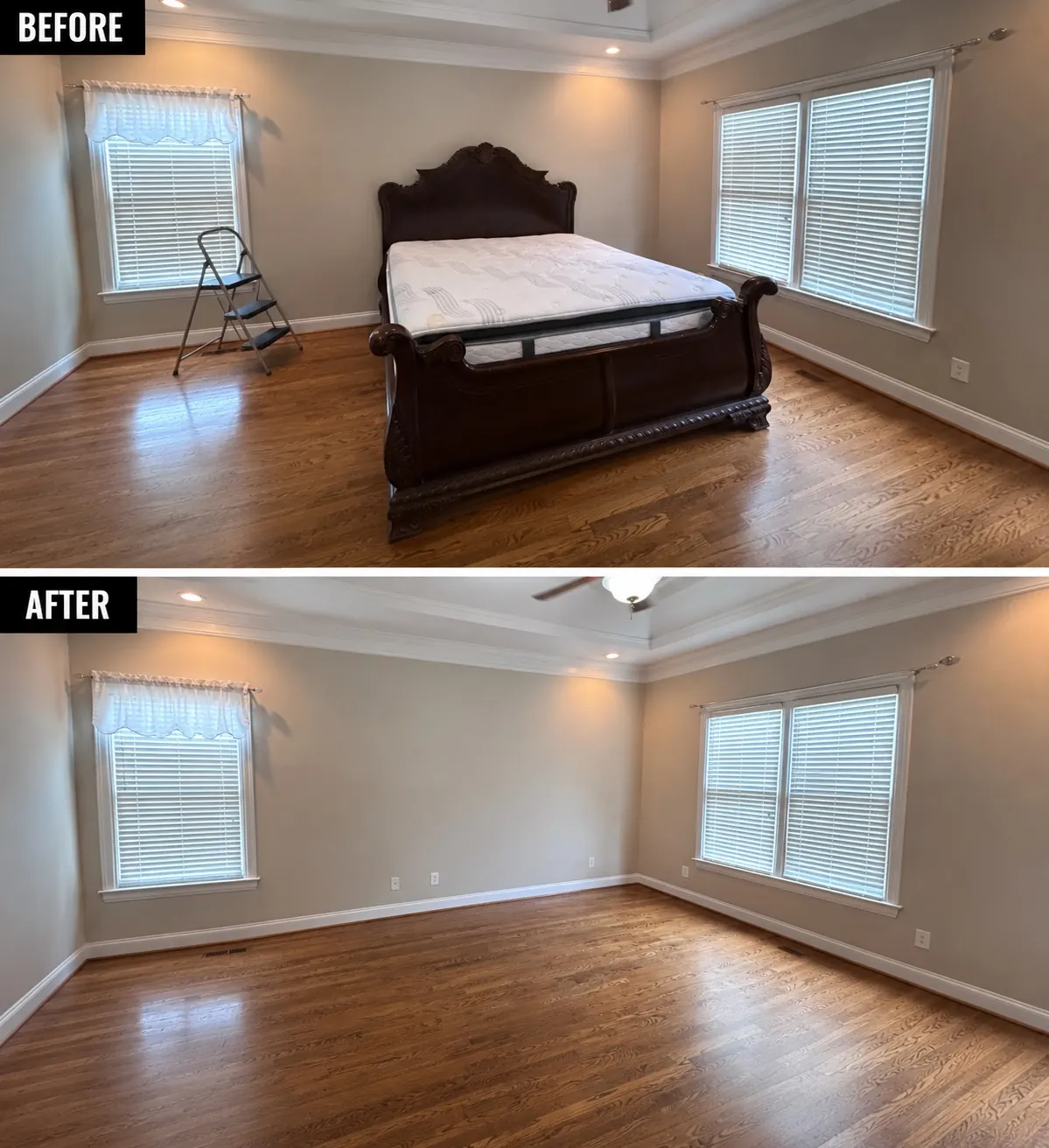
If the home will be shown to buyers or inspected after the cleanout, plan for a final sweep after large items are gone. This is when you may notice wall marks, forgotten drawers, loose debris, or small piles that were hidden behind furniture. The property does not need to be perfect, but it should be safe, accessible, and visibly cared for.
Set a Realistic Timeline and Decision Rules
Estate cleanouts often take longer than expected because every object can prompt a memory or a question. Build time for that reality. A small apartment with clear family direction may be handled quickly, while a longtime family home with an attic, workshop, and several relatives may need multiple work sessions.
Set decision rules before emotions run high. For example, each relative can choose a limited number of keepsakes by a specific date, items with possible resale value are reviewed by one designated person, and remaining usable goods are donated after the deadline. Clear rules are not cold or impersonal. They protect relationships by preventing the same decisions from being debated repeatedly.
If family members live out of town, send photos of selected items rather than trying to photograph every drawer and shelf. Give people a reasonable response window, then continue the process. Leaving a house full of belongings indefinitely often creates more stress, more expense, and more conflict.
Know When Professional Help Makes Sense
Professional estate cleanout support is especially useful when there is a short property deadline, a large volume of belongings, limited family availability, heavy items, or an emotional situation that makes hands-on sorting difficult. A crew can focus on the physical work while the family stays focused on decisions only they can make.
Ask for a clear estimate based on the amount of material, access to the property, labor involved, and special handling needs. Be honest about what is in every area, including garages, attics, sheds, and outdoor spaces. Good communication upfront helps avoid surprises and makes scheduling smoother.
For Metro Atlanta families, landlords, and real estate professionals, same-day or next-day availability can be valuable when a closing or turnover is approaching. Availability depends on the schedule and size of the job, so reaching out early gives you more options.
A well-planned estate cleanout gives a home a respectful transition instead of turning a difficult moment into a chaotic one. When you are ready for help clearing a property in Metro Atlanta, contact Trash Talkers Junk Removal for a free, no-obligation estimate and a straightforward plan for the work ahead.