
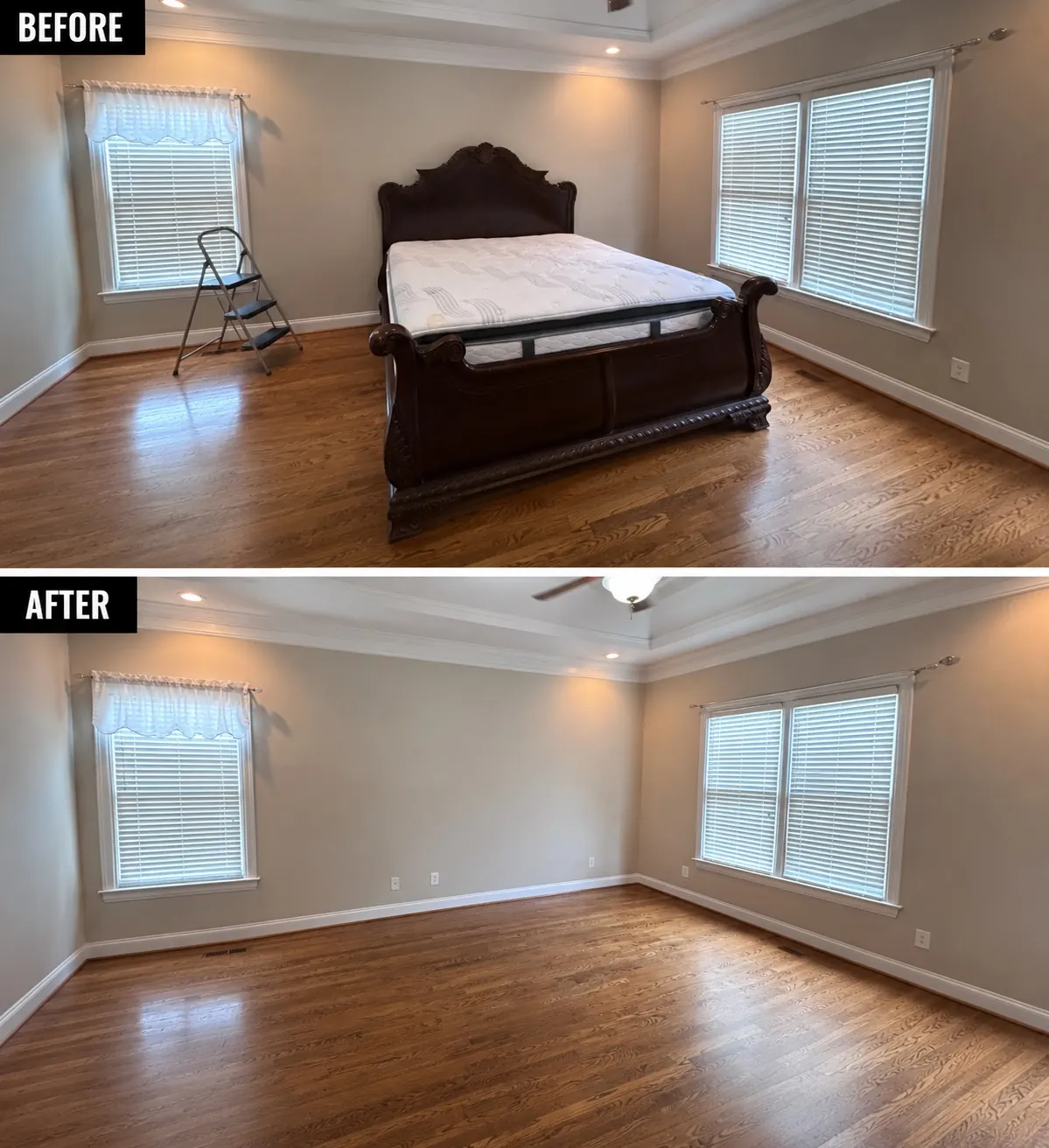
That old mattress usually sits around longer than it should. It is heavy, awkward, and too big for a regular trash can, so people keep putting it off. If you are wondering how to dispose of mattresses without making a mess of your schedule, the good news is that you do have a few solid options.
The best choice depends on the condition of the mattress, your local disposal rules, and how quickly you need it gone. A clean mattress in decent shape may be eligible for donation. A worn-out one may need recycling or bulk pickup. And if you do not want to drag it through the house, load it up, and figure out where it goes, a junk removal service can handle the job from start to finish.
How to dispose of mattresses without hassle
Most people run into the same problem. They know the mattress needs to go, but they are not sure what is allowed by their city, apartment complex, or local transfer station. That uncertainty leads to delays, and delays usually mean a mattress leaning against the garage wall for another month.
The simplest way to think about it is this: first check the condition, then check the local rules, then choose the easiest legal option. That keeps you from wasting time trying to donate something that is too damaged or dragging it to a landfill that will not accept it.
Start by checking the condition
If the mattress is fairly clean, dry, and free from major damage, it may still have some use left. If it has stains, odors, mold, bed bugs, torn fabric, or broken springs, donation is usually off the table. In that case, disposal or recycling is the better route.
Be honest here. A mattress that looks "good enough" to you may not meet donation standards. Many organizations have strict rules because of hygiene, safety, and storage limitations. If the mattress is questionable, it is often faster to move straight to removal or recycling.
Know what local pickup will and will not take
Some cities offer bulk trash pickup, but mattresses often come with extra rules. You may need to schedule a special collection, wrap the mattress in plastic, or place it curbside on a certain day. In some areas, mattresses are banned from regular landfill disposal unless they go through approved channels.
If you live in an apartment, condo, or HOA community, there may be additional restrictions. Leaving a mattress near a dumpster without permission can lead to fines or complaints. This is one of those situations where five minutes of checking can save a lot of trouble.
Your main mattress disposal options
There is no one-size-fits-all answer to how to dispose of mattresses. The right option depends on cost, convenience, condition, and how much effort you want to put in.
Donate it if it is clean and usable
Donation works best when the mattress is gently used and still in good shape. Some charities, shelters, churches, and local reuse groups may accept mattresses, but many do not because of health rules. Even when they do, pickup availability can be limited.
If you go this route, confirm acceptance before moving anything. Ask about stains, age limits, box spring policies, and whether they offer pickup. A mattress that is clean but ten years old may still be declined.
Recycle it if local programs are available
Recycling is often the most responsible choice for a mattress that cannot be reused. Many mattresses contain materials like steel, foam, wood, and fabric that can be separated and processed. That keeps bulky waste out of landfills and reduces unnecessary dumping.
The trade-off is convenience. Recycling centers are not always nearby, and not every facility accepts mattresses from the public. Some charge drop-off fees, and some require you to bring the mattress in dry and uncontaminated. If transportation is the problem, this is where full-service removal becomes more appealing.
Use bulk trash pickup if your area allows it
Municipal bulk pickup can be affordable, but it is not always simple. You may need to book in advance, move the mattress outside yourself, and follow specific prep rules. Weather can also become a factor. A mattress left out in the rain may no longer qualify for certain disposal or recycling options.
This option works best if you are not in a rush and do not mind handling the heavy lifting. It is less ideal if you need the item gone quickly or you are clearing out multiple bulky pieces at once.
Hire a junk removal service for speed and convenience
If your goal is to get it gone without the back strain, scheduling headaches, or disposal guesswork, a junk removal team is usually the easiest option. They can remove the mattress from inside the home, load it, haul it away, and sort out the next step based on local disposal and recycling options.
For busy households, property clean-outs, moves, and post-renovation messes, that time savings matters. You are paying for convenience, labor, and proper handling. If the mattress is upstairs, paired with a box spring, or part of a larger clean-out, the value becomes even clearer.
When you should not put a mattress on the curb
Curbside disposal is where a lot of people get into trouble. In some areas, it is perfectly fine with a scheduled bulk pickup. In others, it counts as illegal dumping if it is left out without approval.
You should not put a mattress on the curb if your city requires an appointment, your building has private waste rules, or the mattress has bed bugs or contamination. Pest-related items often need special wrapping or handling. Skipping those rules can create health issues for sanitation workers and neighbors.
There is also the simple issue of timing. If the pickup is delayed, that mattress can sit outside for days. It can get soaked, ripped, or dragged around, which turns a manageable job into an eyesore.
How to prepare a mattress for removal
A little prep can make the process faster no matter which route you choose. Strip off all bedding first and separate any frame, slats, or hardware. If you are using municipal pickup or dropping it off yourself, check whether the mattress needs to be wrapped.
If there is any concern about bed bugs, mold, or heavy staining, mention that up front when arranging removal. Do not try to hide it. Some services and facilities have specific procedures for contaminated items, and being clear from the start avoids delays.
If you are removing a box spring too, ask whether it counts as a separate item. Many providers price and schedule by piece, not by bedroom set.
The cost question most people ask
People often start with one question: what is the cheapest way to get rid of a mattress? The cheapest option is usually scheduled city bulk pickup, if your area offers it. Donation can also be low-cost or free, but only if the mattress qualifies and the organization can accept it.
The least stressful option is usually full-service junk removal. That may cost more than doing it yourself, but it saves time, eliminates lifting, and reduces the chance of breaking local disposal rules. For many people, especially during a move or clean-out, that trade-off is worth it.
If you are in Metro Atlanta and dealing with more than just one mattress, local crews like Trash Talkers can often make the whole job easier by removing multiple bulky items in one trip. That tends to be more efficient than trying to coordinate separate drop-offs or city pickups for each item.
Common mistakes to avoid when figuring out how to dispose of mattresses
The biggest mistake is waiting until move-out day to make a plan. Mattress disposal is rarely something you want to figure out at the last minute, especially if your apartment, landlord, or local hauler has rules.
Another common mistake is assuming donation is always an option. It sounds simple, but many places will not take used mattresses at all. People also underestimate the size and weight involved. A queen mattress can be hard enough to move with two people, let alone fit into a personal vehicle.
The last mistake is trying to save a little money by leaving it somewhere unofficial. Illegal dumping can lead to fines, cleanup costs, and complaints from neighbors. It is not worth it.
A mattress is one of those items that feels simple until you actually have to move it. The easiest path is usually the one that matches the condition of the mattress, your local rules, and the amount of effort you want to spend. Once you make that call, getting it out of your way becomes a whole lot easier.