
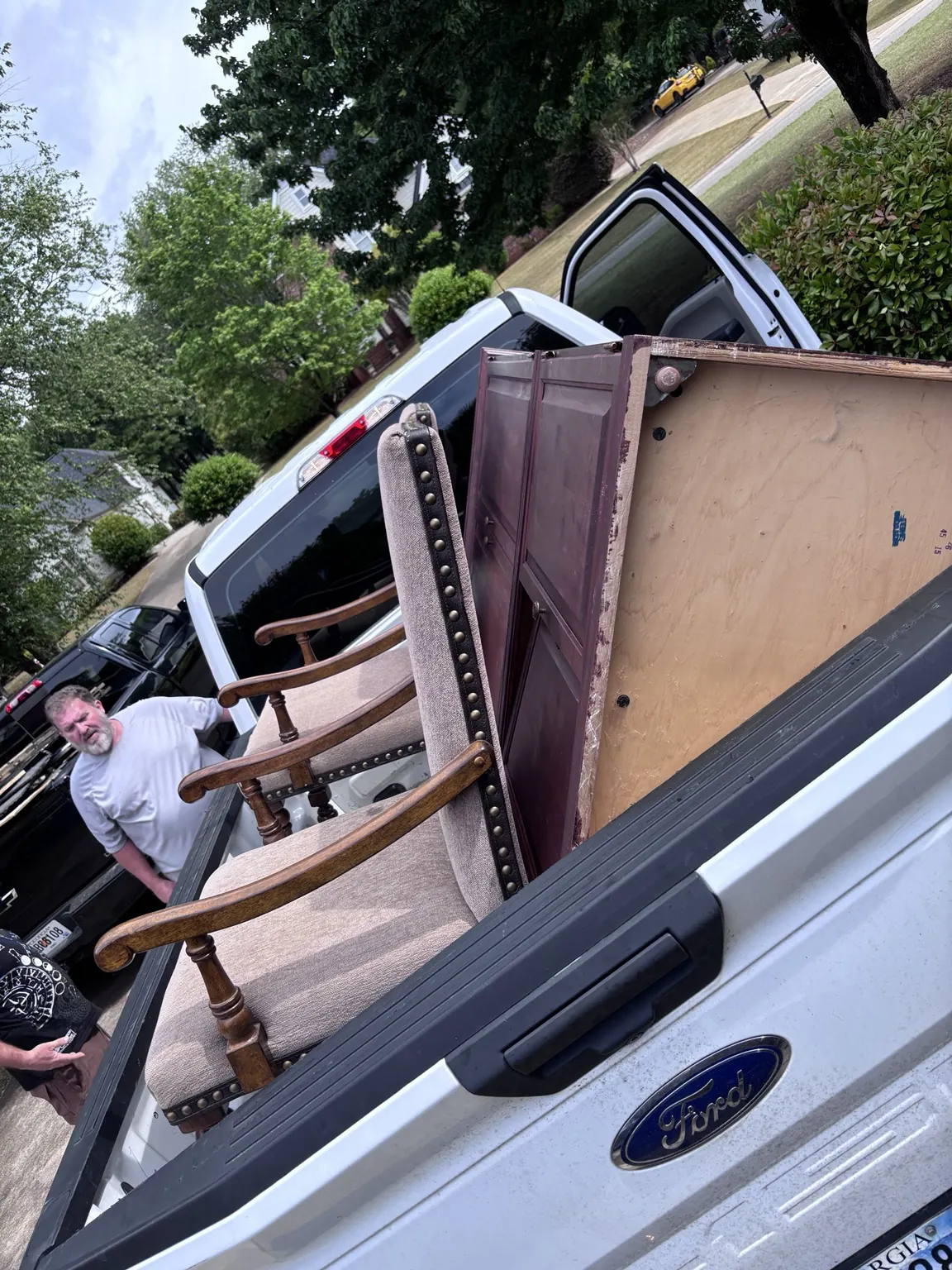
That worn-out couch in the garage or broken dresser in the spare room is more than clutter - it is a disposal problem that can be harder than it looks. Learning how to recycle old furniture starts with understanding what the item is made of, whether it can still be used, and which local options will actually accept it.
Furniture is bulky, heavy, and often built from several materials at once. A solid wood table may have years of life left. A particleboard bookcase with water damage may not be recyclable at all. The right choice depends on the condition of the piece, your available time, and the disposal rules where you live.
Start by Checking Whether It Can Be Reused
Recycling is a responsible option, but reuse is usually better when furniture is still safe and functional. Before you plan a trip to a recycling facility, take a close look at the item. Open drawers, check legs and frames, and make sure there are no major safety issues such as sharp exposed hardware, mold, pest damage, or structural instability.
A sturdy dining table, usable dresser, clean chair, or gently used sofa may be a good candidate for donation, resale, or giving away locally. Even if the finish is scratched or the color is dated, someone may be willing to refinish or reupholster it. This keeps a usable item in circulation and avoids the energy required to break it down into raw materials.
Donation organizations usually have standards. Upholstered pieces often need to be clean, free of stains and odors, and without tears. Mattresses may face stricter rules because of health and sanitation concerns. Always confirm that an organization accepts your specific item before loading it into a truck.
If a piece has modest value, selling it can also make sense. Solid wood furniture, vintage items, and recognizable brands tend to attract more interest than low-cost, flat-pack furniture. Be realistic about pricing. A quick, fair sale is often more useful than leaving an unwanted item listed for weeks.
How to Recycle Old Furniture by Material
When an item is too damaged to donate or sell, its materials determine what can be recycled. Furniture rarely goes into a regular curbside recycling bin. Most cities do not accept bulky furniture with household recyclables, and putting it out anyway can lead to a missed pickup or a violation notice.
Metal Furniture and Hardware
Metal is one of the easiest furniture materials to recycle. Bed frames, filing cabinets, metal patio chairs, shelving units, and table bases are commonly accepted by scrap metal recyclers. Remove nonmetal parts when practical, such as cushions, glass tops, or plastic caps.
Many wood and upholstered pieces also contain valuable metal hardware. Drawer pulls, hinges, brackets, bed rails, and steel legs can be separated from the main item. It may not be worth dismantling a heavily damaged piece one screw at a time, but removing large metal components can make recycling easier.
Solid Wood Furniture
Untreated solid wood can sometimes be reclaimed, reused, or accepted at a wood recycling operation. A damaged wood table might become lumber for a workshop project, garden edging, or reclaimed material for another builder. Wood furniture in decent shape is also a strong candidate for repair or refinishing.
Not all wood should be reused outdoors or burned. Painted, stained, pressure-treated, or chemically finished wood can release harmful substances when burned. If you do not know how the wood was treated, do not use it for a fire pit or indoor fireplace.
Particleboard, MDF, and Laminate
This is where recycling gets more limited. Many affordable dressers, desks, and shelving units are made from particleboard or medium-density fiberboard covered with laminate or veneer. These materials contain adhesives and are difficult to separate into clean recycling streams.
If the item is broken, swollen from moisture, or falling apart, a recycling center may not take it. It may need to go through a responsible bulk disposal service instead. That is not the ideal answer, but it is better than illegally dumping it or leaving it at the curb without approval.
Upholstered Furniture
Sofas, recliners, mattresses, and padded chairs are among the most challenging items to recycle. They can contain fabric, foam, wood, metal springs, webbing, and plastic, all tightly assembled together. Some specialty facilities can dismantle these items, but many standard recycling centers cannot.
If upholstery is clean and the frame is solid, donation or reupholstery may be the better route. If it is damaged beyond repair, ask a local bulky-item or junk removal provider whether they sort recyclable components before disposal. This is especially helpful when you are clearing out several large items at once.
Glass, Plastic, and Mixed-Material Pieces
Glass tabletops should be handled carefully and may need a separate recycling option from the table base. Do not put broken glass in a regular recycling bin unless your local program specifically allows it. Wrap it securely and follow local disposal instructions.
Plastic patio furniture may be recyclable if it is marked with a resin code, but acceptance varies. Furniture made with bonded materials, such as a wood-and-glass entertainment center or a fabric-covered composite chair, may require disassembly before any portion can be recycled.
Prepare Furniture Before You Move It
A little preparation protects your home, your vehicle, and the people handling the item. Empty drawers and cabinets completely. Remove personal items, batteries, light bulbs, and detachable electronics from desks, media cabinets, and adjustable beds.
Disassemble what you can safely manage. Taking legs off a table or separating a bed frame can make transportation much easier. Keep screws and hardware in a labeled bag if you are donating or selling the item. If the furniture is headed for recycling, separating large sections can help identify metal, wood, and reusable parts.
Clean the item before donating it. A quick vacuum, wipe-down, or spot treatment can be the difference between an accepted donation and a rejected one. For heavy furniture, measure doorways, stairwells, and elevators before moving day. A couch that fits in a room does not always fit back out the way it came in.
Know When a Pickup Service Makes More Sense
Recycling old furniture yourself can be worthwhile when you have a truck, time, and a nearby facility that accepts the materials. It becomes much less convenient when you are handling a sectional sofa, multiple bedroom sets, a house clean-out, or a move on a deadline.
A professional pickup service can remove the lifting, loading, transportation, and sorting from your to-do list. This is particularly useful for homeowners and renters in Metro Atlanta who are managing renovations, estate clean-outs, downsizing, or a last-minute move. A dependable team can evaluate the load and route reusable and recyclable materials appropriately whenever possible.
Trash Talkers provides furniture removal with a responsible disposal approach, so you do not have to guess how to fit a broken couch or old dining set into your weekend. Get a free quote, schedule a pickup, and let the crew handle the heavy work.
Avoid These Common Furniture Disposal Mistakes
Do not assume a donation center will accept everything. Calling ahead saves time, fuel, and frustration. Also avoid setting furniture at the curb unless your city, landlord, or homeowners association has approved bulk pickup. Unapproved curbside piles can create hazards and may result in fines.
Do not leave furniture beside a dumpster, in an alley, or at a recycling site after hours. That is illegal dumping, even if your intention was to keep the item out of a landfill. And do not try to force large furniture into a vehicle that cannot safely carry it. Damaged vehicles and back injuries cost far more than arranging proper removal.
The best next step is simple: take five minutes to assess the condition and material of each piece. If it can be used, pass it on. If it can be separated, recycle the parts. If it is too large, too damaged, or too difficult to move safely, arrange responsible pickup and get your space back without turning one old piece of furniture into a bigger problem.