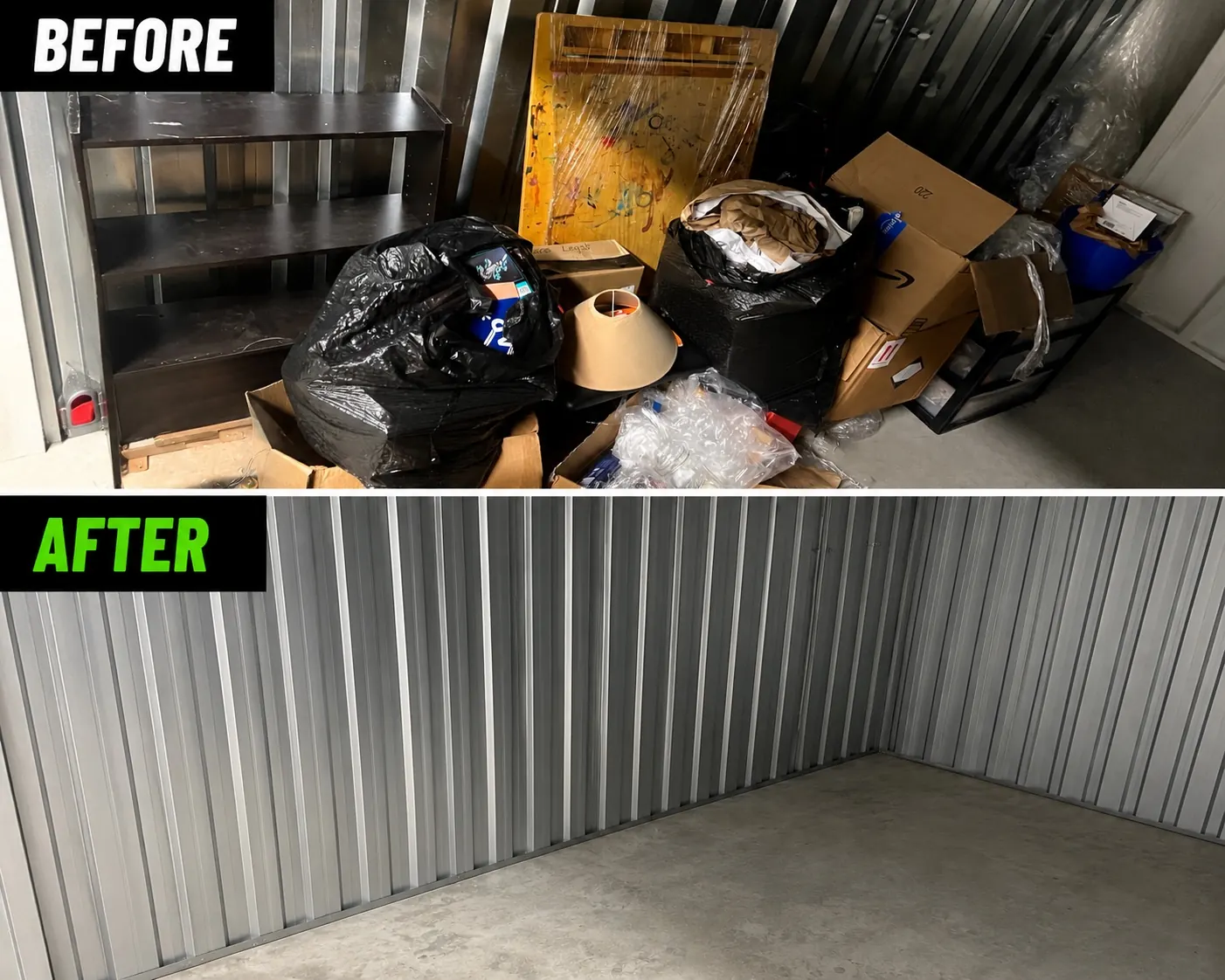
A tenant has moved out, the next lease is waiting, and the unit still contains a sectional, broken bed frame, bags of clothes, kitchen leftovers, and a garage full of forgotten boxes. Property management cleanout services help turn that stalled turnover into a ready-to-show property without asking your maintenance team to spend days hauling, sorting, and making multiple disposal runs.
For landlords, property managers, Realtors, and owners across Canton, Cherokee County, and Metro Atlanta, the goal is usually simple: clear the space quickly, protect the property, and keep the next step on schedule. The right cleanout crew makes that process easier by communicating clearly, showing up when promised, and handling usable items responsibly.
When a Property Cleanout Makes Sense
Not every turnover needs a full cleanout. A few bags left at the curb may be something a maintenance crew can handle. Professional help makes more sense when the volume, weight, timing, or condition of the contents starts getting in the way of the property’s next use.
A cleanout is especially useful after an abandoned-property situation, an eviction, a tenant move-out with large furniture left behind, or a long-term rental that has accumulated years of belongings. It can also help when an owner is preparing a home for sale, a Realtor needs a listing cleared before photos, or a family property needs attention after an estate transition.
The trade-off is straightforward. Handling small loads internally may save a service call, but it also takes staff away from repairs, inspections, leasing, and resident needs. When there are bulky items, multiple rooms, stairs, tight deadlines, or a full storage area, bringing in a professional junk removal team can keep the turnover from dragging out.
What Property Management Cleanout Services Usually Include
A quality cleanout is more than lifting a few heavy items. It begins with understanding what must be removed, what should remain, and what condition the property needs to be in when the crew leaves.
For a typical rental turnover, removal may include couches, mattresses, dressers, tables, appliances, televisions, bagged household items, shelving, garage clutter, patio furniture, and debris left in closets or storage rooms. For commercial properties, the scope may include desks, chairs, filing cabinets, breakroom items, old displays, and unwanted inventory.
The best approach is to walk the property or share clear photos before scheduling. That gives the removal company a better picture of access, item volume, stairs, elevators, gated entry requirements, and any large or unusually heavy pieces. It also reduces surprises on service day.
Just as important, the crew should know what not to touch. Property managers may need keys, remotes, documents, maintenance supplies, installed fixtures, or owner-held items left in place. A quick note on those items can prevent costly mistakes and keep the job moving efficiently.
Furniture and Usable Household Items
One of the most common questions is what happens to furniture that is still in usable condition. Whenever practical, reusable furniture and household goods can be set aside for donation rather than treated as simple trash. That is part of the Trash Talkers approach: RESCUE. RECYCLE. REMOVE.
Condition matters. A clean, functional dining table may have a second life, while heavily damaged or unsanitary furniture may need to be removed as junk. A responsible crew can make those distinctions without turning a property manager’s schedule into a sorting project.
Estate-Related Rental and Property Cleanouts
Sometimes the property is not a rental turnover at all. An executor, adult child, or owner may be managing a home after a loss, a move to assisted living, or an inheritance. These jobs require a little more patience and communication because personal belongings may need review before anything is removed.
If the property is part of an estate, identify family keepsakes, paperwork, and items that need to stay before the crew arrives. Once those decisions are made, professional removal can clear the remaining furniture, household contents, garage items, and accumulated clutter efficiently and respectfully. This is often the point where an estate cleanout service is a better fit than a standard turnover cleanout.
A Cleaner Turnover Process Starts Before Service Day
Good preparation does not mean doing the hard work yourself. It means giving the removal team the information they need to work safely and without delays.
Start by confirming legal access to the unit and documenting the property according to your normal turnover procedures. If belongings were left by a former tenant, make sure any required holding period or notice process has been completed before removal is scheduled. A junk removal company can clear approved contents, but the property manager remains responsible for authorizing what can leave the unit.
Next, make access simple. Provide gate codes, parking instructions, unit numbers, lockbox details, elevator reservations when applicable, and the name of an on-site contact. If the unit is in a busy complex, it helps to let staff know that a removal crew will be present. These small details can save significant time.
Finally, point out anything that changes the job. Mention damaged stairs, narrow hallways, unusually large furniture, detached garages, sheds, or items spread across several areas of the property. Clear expectations lead to a more accurate estimate and a smoother removal day.
What Affects the Scope and Cost of a Cleanout?
Cleanout estimates are generally based on how much material needs to be removed and how difficult it is to access. A single sofa on a ground-floor patio is very different from a fully furnished third-floor apartment with packed closets and no elevator.
Volume is the biggest factor, followed by labor and access. Stairs, long carrying distances, heavy furniture, scattered debris, multiple buildings, and limited parking can all affect the work involved. Timing can matter, too. A property that must be cleared before a scheduled inspection or listing appointment benefits from early communication so the crew can plan appropriately.
The most useful estimate is one based on the actual job, not guesswork. Photos can be enough for many projects, while larger or more complicated cleanouts may benefit from an on-site walkthrough. Either way, direct communication helps property managers budget accurately and avoid scope confusion.
Why Reliable Scheduling Matters to Property Managers
An empty unit is not automatically a ready unit. After the contents are removed, there may still be cleaning, repairs, painting, flooring work, inspections, photos, or showings ahead. Every delay at the cleanout stage can push those tasks back.
That is why dependable scheduling is often more valuable than a vague promise of fast service. Property managers need a crew that arrives within the arranged window, communicates if conditions change, and completes the agreed removal so the next vendor can do their job.
For portfolios with regular turnovers, consistency matters even more. Keeping one dependable local contact for furniture removal, garage cleanouts, abandoned-property contents, and office cleanouts can make recurring work easier to coordinate. No job is too big or too small when the service plan matches the condition of the property.
Choosing a Cleanout Partner for Your Properties
Look for a company that asks practical questions before showing up. They should want to know what is being removed, who is authorizing the work, whether any items must remain, and how the crew will access the property. Those questions are signs of care, not complications.
You should also expect respectful handling of the property itself. Removal crews work around doorways, walls, flooring, landscaping, shared hallways, and occupied neighboring units. Careful loading and a professional presence matter, particularly in multifamily communities and homes being prepared for sale.
For property managers in Canton, Cherokee County, and surrounding Metro Atlanta communities, Trash Talkers Junk Removal provides practical cleanout support for turnovers, abandoned belongings, furniture removal, and property cleanups. When a unit or property is holding up your next move, request a free, no-obligation estimate and get the clearout process back on track.