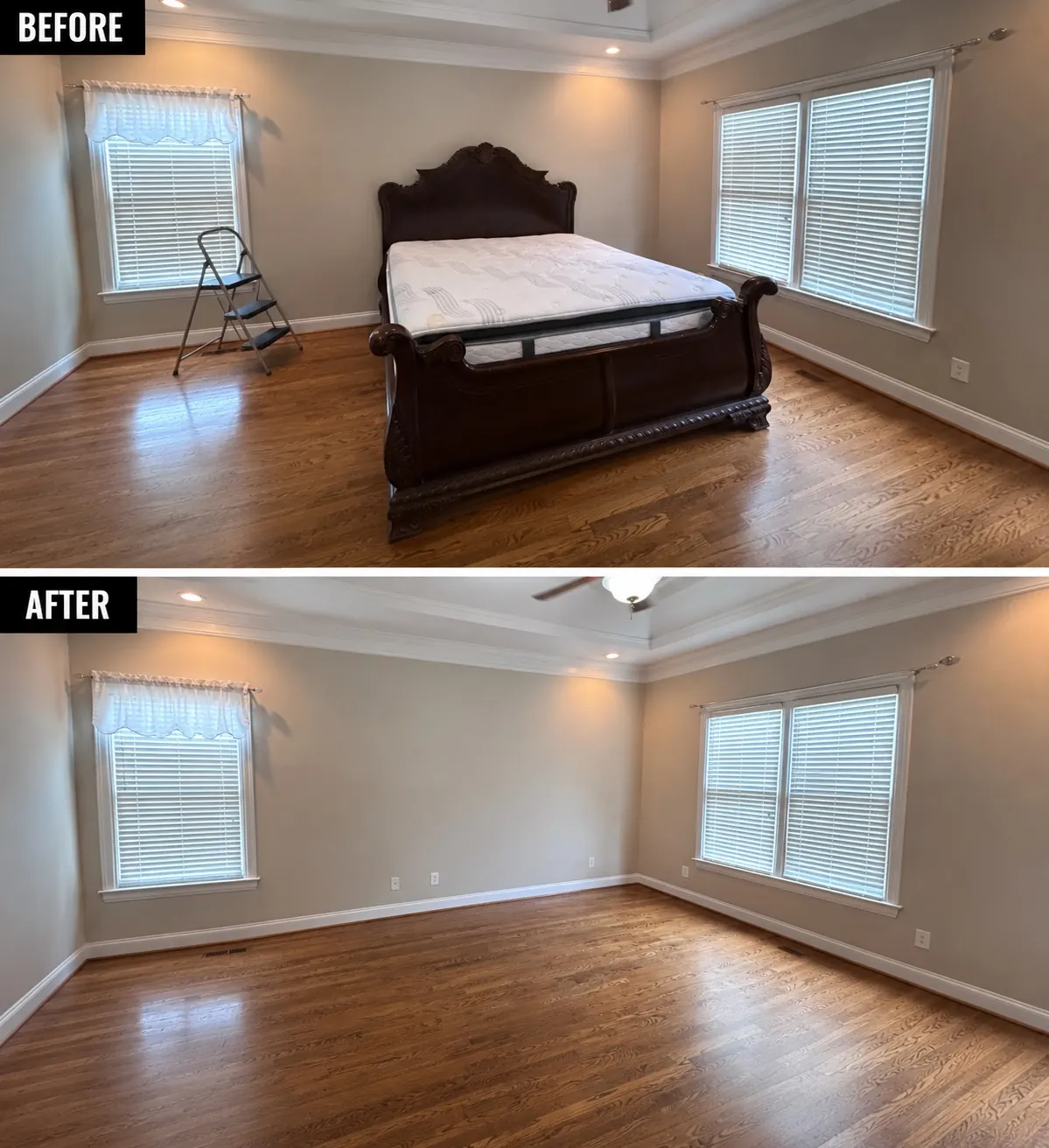
A tenant moves out, the keys are returned, and the unit is still full of old furniture, bagged clothing, broken shelves, and whatever was left in the garage. That is when tenant junk removal becomes more than a cleanup task. It is the practical step that gets a rental property ready for inspection, repairs, photos, and the next resident.
For landlords, property managers, and Realtors in Canton, Cherokee County, and Metro Atlanta, a fast turnover matters. But clearing a unit should not mean rushing past important decisions about ownership, documentation, or reusable belongings. A professional removal crew can handle the heavy lifting once the property is cleared for removal, keeping the process organized and the property moving forward.
When Tenant Junk Removal Is the Right Call
Tenant junk removal is most useful when a former resident has left behind enough material that regular cleanup is no longer realistic. A few small items may be manageable for a maintenance team. A couch, mattress, packed closets, appliances, garage contents, and piles of household goods can quickly turn into a full-day or multi-day job.
It also makes sense when the property needs to be shown or leased again quickly. Every day a unit sits cluttered can delay repairs, cleaning, photography, and move-in scheduling. For a single-family rental, an abandoned-property situation may affect the entire home, including the attic, shed, basement, and outdoor areas.
Professional removal is especially helpful when staff members would otherwise spend their time carrying furniture, making repeated trips, or sorting through a large volume of belongings. The goal is not simply to empty rooms. It is to restore a workable, clean starting point for the next phase of the turnover.
First, Confirm What Can Be Removed
Before scheduling a cleanout, confirm that the former tenant's belongings can legally be removed. Lease terms, notices, timelines, and local requirements can affect how abandoned property must be handled. Property managers should follow their established procedures and document the condition of the unit before anything is hauled away.
Photos and a written inventory can be useful, particularly when there are valuables, personal documents, or items that may be disputed later. If a tenant has communicated that they intend to retrieve certain belongings, keep those items separate until the proper timeline has passed.
This is one of the most overlooked parts of tenant junk removal. A removal company can clear the property efficiently, but it should not be asked to make legal decisions about what is abandoned. Once the owner or manager authorizes removal, the crew can focus on the physical work.
What Is Commonly Left Behind in Rentals
Every turnover looks different. Some units have one or two bulky pieces of furniture. Others contain the contents of an entire household after a sudden move, eviction, or abandoned lease.
Common items include furniture, mattresses, appliances, boxed belongings, clothing, kitchenware, electronics, rugs, shelving, garage clutter, patio furniture, and construction materials from unfinished repairs. Storage areas often hold the biggest surprises. A shed, utility room, attic, or garage may contain items the tenant did not need day to day but did not want to move.
The condition of those belongings matters. Clean, usable furniture and household goods may be appropriate for donation when practical. Items that are broken, heavily damaged, or no longer usable need to be removed through the appropriate disposal channels. Trash Talkers follows a RESCUE. RECYCLE. REMOVE. approach, looking for opportunities to keep usable items in use rather than treating every load the same.
A Better Process for Rental Property Cleanouts
A smooth turnover begins with a clear scope. Walk the property before the crew arrives and note every area that needs attention: the main living spaces, closets, garage, storage room, yard, and any outbuildings. Let the removal team know about stairs, narrow hallways, gate access, parking limitations, or large items that may require extra handling.
For larger jobs, it helps to separate the work into two parts. First, identify anything that should stay, such as owner-provided appliances, maintenance supplies, or fixtures. Then mark or move any belongings that must be retained for legal or personal reasons. Everything approved for removal can be cleared from there.
A dependable junk removal crew should load the items, sweep up the loose debris created by the removal process, and leave the space ready for cleaners, contractors, or a final property inspection. That does not replace deep cleaning or repairs, but it eliminates the clutter standing in the way.
Prepare These Details Before Requesting an Estimate
An accurate estimate is easier when the removal company understands the size and access requirements of the job. Have these details ready:
- The property address and whether the unit is occupied, vacant, or in a turnover period
- The rooms and areas that need to be cleared, including garages, sheds, patios, or storage spaces
- Photos or a description of large items such as sofas, appliances, mattresses, and packed furniture
- Access details, including stairs, elevator use, gate codes, parking, and any time restrictions
- The preferred completion date and whether cleaners, contractors, or incoming residents are scheduled afterward
This information helps avoid surprises on removal day and lets everyone plan around the property's turnover schedule.
What Affects the Size of the Job
Tenant cleanouts are not all alike. A one-bedroom apartment with a few unwanted pieces of furniture may be handled quickly. A house with multiple furnished rooms, a full garage, and outdoor debris requires more time, labor, and truck space.
Volume is the biggest factor, but access matters too. Carrying a sectional sofa down several flights of stairs takes more work than loading it from a ground-floor driveway. Packed rooms, narrow hallways, long walking distances, and items located in sheds or upper floors can also affect the scope.
Timing can matter as well. If a property has a lease signing, inspection, listing appointment, or repair crew scheduled, mention that early. A good removal plan accounts for the real deadline without making promises that ignore the amount of material on site.
Keep Turnovers From Becoming Bigger Problems
The best time to plan removal is as soon as it becomes clear that items may be left behind. Waiting until cleaners or contractors arrive can create scheduling conflicts and force everyone to work around clutter. For property managers handling several units, keeping a trusted removal partner available can make unexpected vacancies easier to manage.
Landlords can also reduce confusion by documenting the unit at move-out, checking storage areas right away, and identifying owner-owned furnishings before the cleanout begins. These small steps protect the property and help the crew work faster once removal is approved.
For Realtors preparing a vacant property for listing, tenant junk removal can be the bridge between an inherited-looking, crowded space and a home that can be cleaned, repaired, and photographed properly. The same is true for investors and owners taking over a property after a difficult transition.
Reliable Help for the Next Turnover
Left-behind belongings should not keep a rental off the market longer than necessary. Once you have confirmed what can be removed, professional tenant junk removal can clear the way for cleaning, repairs, and a fresh start for the property.
If you manage or own a rental in Canton, Cherokee County, or the surrounding Metro Atlanta area, Trash Talkers can help with respectful, dependable property cleanouts, furniture removal, and unwanted household items. Get your free quote today, and make room for the next resident without turning turnover day into a hauling project.