
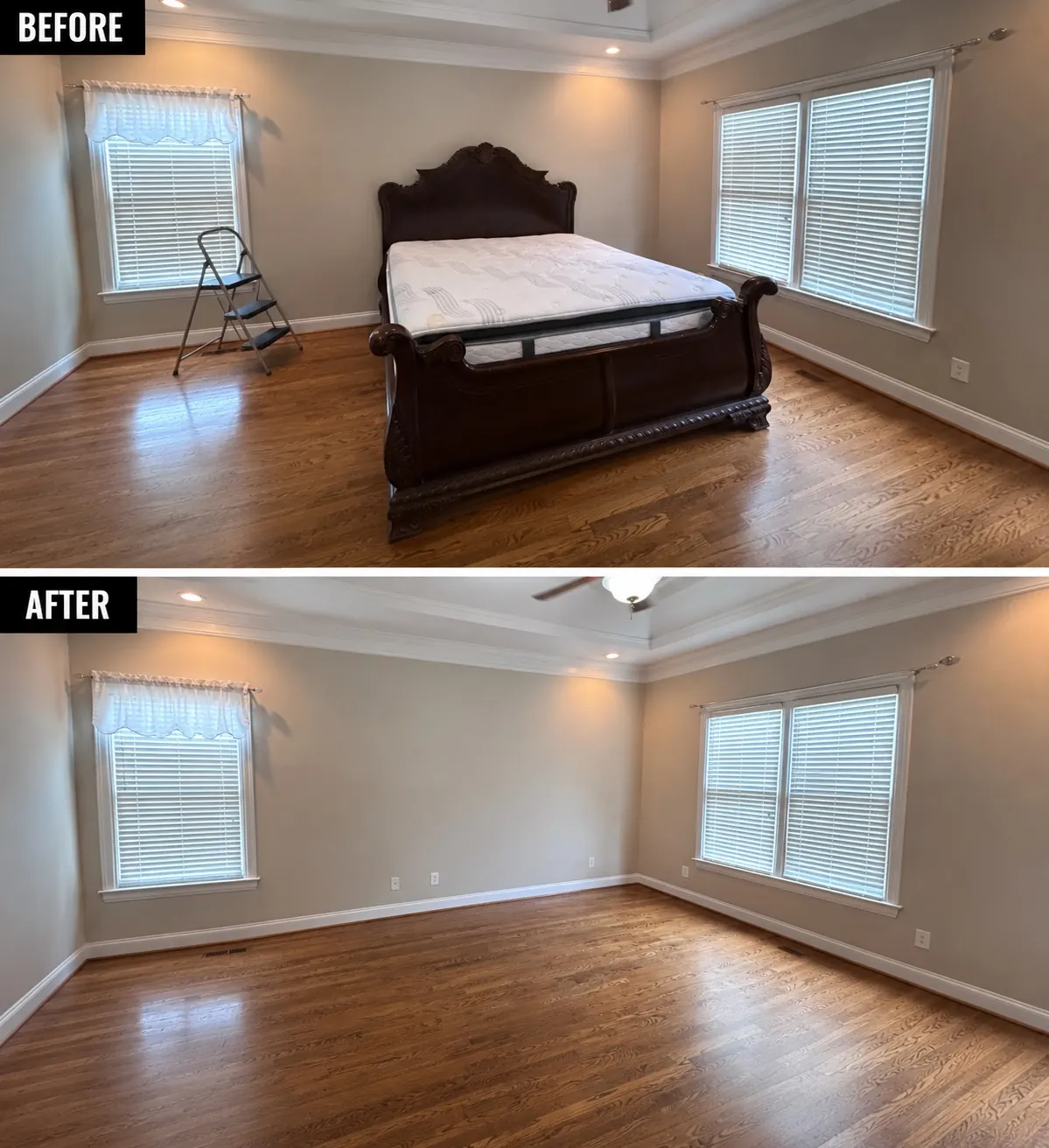
A dining table may be the first thing everyone notices in an inherited home, but it is rarely the only decision waiting for you. Bedrooms, garages, basements, and living rooms can hold decades of furniture, much of it tied to memories and some of it simply taking up needed space. Knowing what to do with furniture during an estate cleanout helps families make steady progress without rushing the choices that matter.
The goal is not to keep everything or get rid of everything as quickly as possible. It is to sort each piece into a realistic next step: keep it, offer it to family, sell it, donate it, or arrange responsible removal. A clear process makes an emotional job more manageable and helps prepare the property for sale, rental, or its next chapter.
Start With a Short Pause Before Furniture Removal
Before anyone starts carrying furniture out, make sure the executor, homeowner, or person authorized to make decisions has had a chance to review the home. Check for estate documents, specific bequests, and items that relatives may expect to discuss. A cedar chest, desk, or recliner can look ordinary to one person and hold deep family meaning to another.
Take photos of each furnished room before moving major pieces. This creates a simple record, helps relatives who live out of town weigh in, and makes it easier to remember what was in the home if questions come up later. For a large estate, assign one person to make final decisions so the cleanout does not stall over every chair or side table.
It also helps to set a deadline for family claims. Without one, a house can remain half-cleared for weeks while everyone says they may come back for something. Give relatives a reasonable window, then move forward with the remaining furniture.
What to Do With Furniture During an Estate Cleanout
Keep pieces that have a clear home or purpose
Keep furniture when someone genuinely wants and can use it, not just because it feels difficult to let go. A quality dining set, antique cabinet, or well-made bedroom piece may be worth keeping if it fits a family member's home and needs. If nobody has room for it, holding onto it indefinitely can create a second storage problem.
For potentially valuable antiques, designer furniture, artwork, or collections, consider getting an informed opinion before removal. Age alone does not guarantee value, and not every solid-wood piece has a strong resale market. Still, it is wise to pause before clearing unusual or clearly high-quality items.
Offer family members a fair, organized choice
A group text with photos is usually more effective than asking everyone to walk through the house repeatedly. Label photos by room and set a response date. If more than one person wants the same item, the executor can use a simple first-response rule, a rotation, or another method the family agrees is fair.
Be specific about pickup expectations. If a relative claims a large dresser or sectional, confirm when it will be collected. A claimed item that stays in the house after the deadline may need to be released so the cleanout can continue.
Sell only the furniture worth the time
Selling can make sense for furniture in excellent condition, recognizable brands, antiques with documented appeal, or complete sets that are ready for a buyer. It may also be useful when an estate has a few standout pieces and there is enough time before listing or closing.
The trade-off is time. Selling involves photos, messages, appointments, negotiations, and no-shows. For most families, trying to sell every sofa, table, and bedroom set delays the cleanout far more than it helps. If a piece has modest value but no buyer after a short, defined effort, it is often better to move it into the donation or removal plan.
Donate furniture that is clean, safe, and usable
Donation is a meaningful option for furniture that is still in good working condition and ready for another home. Tables, chairs, dressers, bookcases, and gently used sofas are often good candidates when they are structurally sound, clean, and free of major damage.
Acceptance depends on the condition of the item and the needs of the receiving organization. Torn upholstery, strong odors, broken frames, missing parts, heavily stained mattresses, and furniture with pest concerns may not be accepted. Do not assume every item can be donated simply because it is still usable to someone in the family.
A professional estate cleanout team can identify likely donation candidates while separating the items that need another solution. That approach honors the useful pieces without leaving a family responsible for arranging multiple pickups and hauling everything else themselves.
Arrange removal for worn, broken, or unwanted pieces
Some furniture has reached the end of its useful life. Water-damaged particleboard, broken recliners, worn-out mattresses, oversized entertainment centers, and heavily damaged upholstery are common examples. These items can take up a surprising amount of space and make it difficult for Realtors, contractors, or family members to see the property's potential.
Professional furniture removal is especially helpful when items are upstairs, in a basement, packed into a garage, or too heavy to handle safely. It also keeps the cleanout moving when a property needs to be ready for photos, listing, a tenant turnover, or a closing date.
Use a Room-by-Room Sorting System
Trying to decide the fate of every item at once can be overwhelming. Work room by room and use clear labels or designated areas: keep, family, sell, donate, and remove. This keeps decisions visible and prevents the same furniture from being reconsidered several times.
Start with spaces that affect access, such as entryways, hallways, and bedrooms. Then move to the larger pieces in living rooms, dining rooms, and garages. Small household items can be sorted afterward. Removing bulky furniture first often makes the rest of the home feel more manageable.
Avoid placing “maybe” items in every room. A small maybe section is reasonable, but it needs a decision date. Most cleanouts get delayed because too many items remain in limbo, not because there is too much furniture.
Consider the Property Timeline
The right choice depends partly on what must happen next. If the house will be listed soon, speed and presentation may matter more than squeezing a small amount of money from older furniture. If the family has several months and a few high-value pieces, a more selective sale may be worthwhile.
For landlords and property managers, abandoned furniture can delay repairs and the next tenant. For Realtors, a clean, accessible home is easier to photograph, show, and assess. For adult children managing a parent's home from another city, coordinating every individual donation or buyer appointment may be more stress than it is worth.
A full-service estate cleanout can simplify those situations. The crew can remove furniture and household contents in one organized visit, while reusable items are considered for donation and appropriate materials are handled responsibly whenever practical.
What Affects Furniture Removal Costs?
Estate cleanout and furniture removal costs usually depend on the volume of items, the size and weight of furniture, access to the home, stairs, and how much sorting or labor is needed. A single sofa in a ground-floor room is very different from clearing a furnished two-story home with a packed garage and basement.
The best estimate comes from seeing the scope of the job. Be ready to explain which furniture is staying, whether family members are still collecting items, and whether there is a deadline tied to a sale or closing. Clear information helps a removal team schedule the right crew and complete the work efficiently.
When Professional Help Makes Sense
Professional help is often the right call when the furniture is too heavy, the timeline is tight, family members live far away, or the emotional weight of the work is making progress difficult. It is also useful when one service needs to handle furniture, appliances, household clutter, and garage contents together.
For families and property owners in Canton, Cherokee County, and Metro Atlanta, Trash Talkers can help make the process simpler with respectful estate cleanout and furniture removal service. Usable items are considered for donation, appropriate materials are handled responsibly, and the remaining contents are removed so the property can move forward.
You do not need to solve every furniture decision alone before asking for help. Set aside the pieces that matter most, give family a clear deadline, and request a free estimate when it is time to clear the rest. No job is too big or too small, and a well-planned cleanout can give everyone room to focus on what comes next.